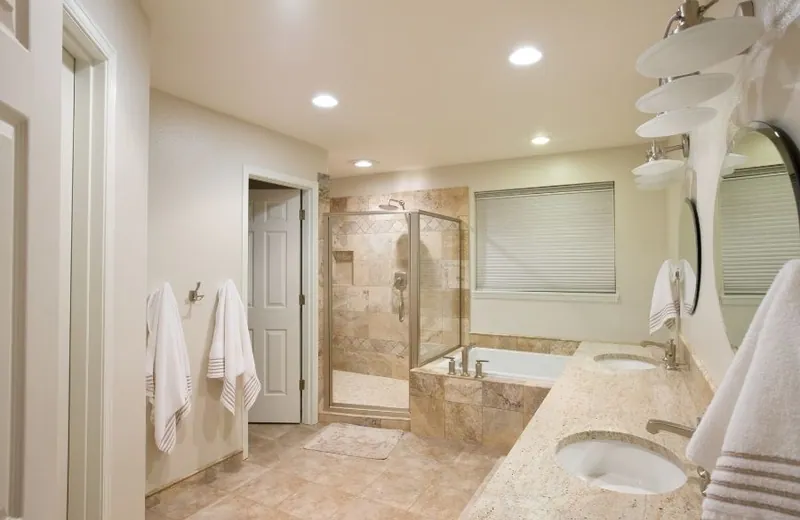
How much does a bathroom remodel cost in Midwest City, OK?
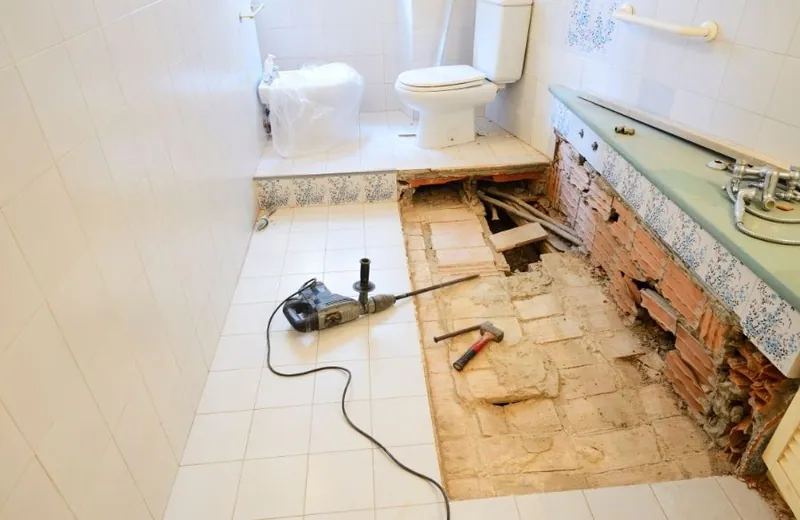
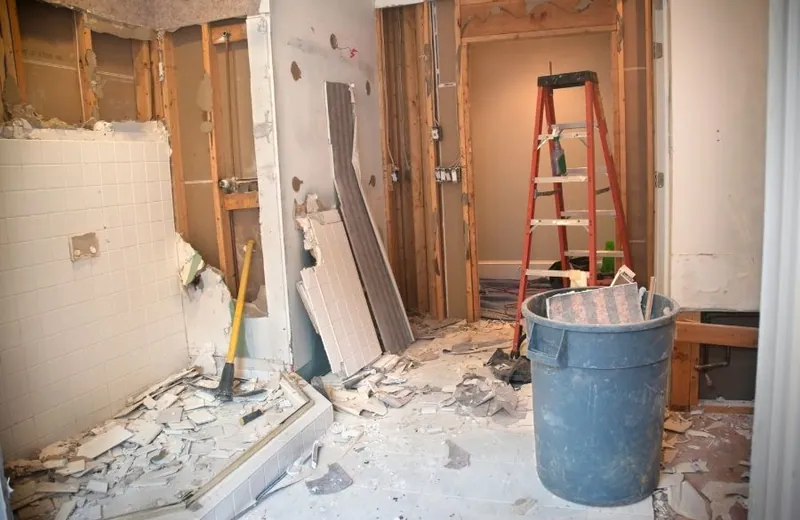
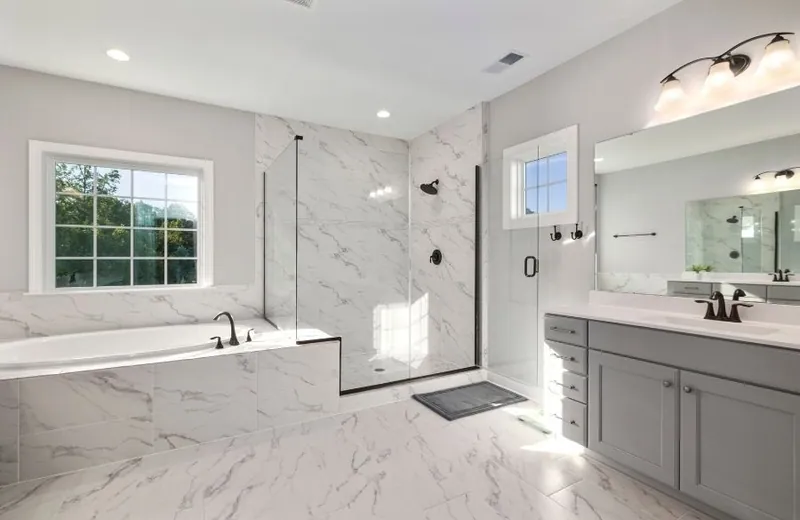
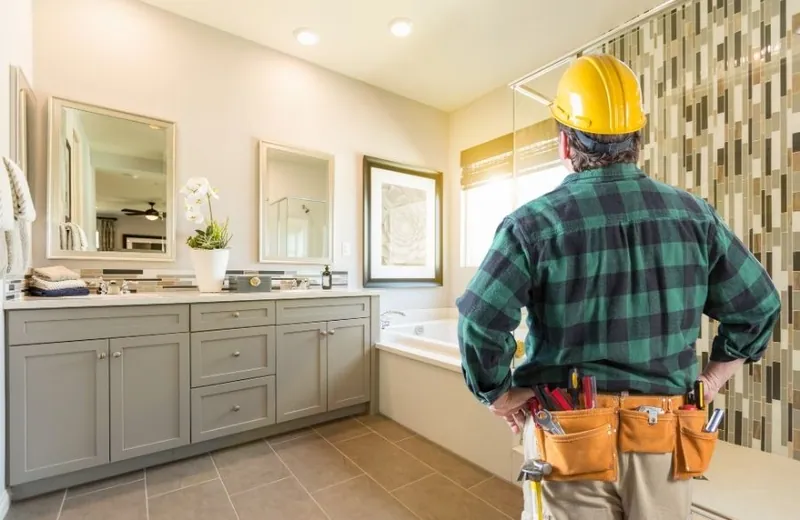
Most bathroom remodels in Midwest City fall between about $9,000 and $28,000. A tub-to-shower conversion in a postwar hall bath usually runs $9,000–$16,000, and a full gut remodel with new plumbing, wiring and ventilation is typically $15,000–$28,000. Larger primary baths in newer Choctaw or Edmond homes often land between $22,000 and $45,000, and luxury projects go higher. In older homes near Tinker AFB, the biggest variable is what we find behind the walls, so we build allowances for galvanized pipe and subfloor repair into your estimate. Financing is available.
How long does a bathroom remodel take?
A one-day bath remodel using prefabricated panels can be done in a single working day if the walls and plumbing are sound. A standard tub-to-shower conversion usually takes about one to two weeks. A full gut remodel in a 1950s Midwest City home generally takes two to five weeks, depending on how much plumbing and subfloor work turns up and how quickly the city schedules inspections. Design, material selections and permits often add one to four weeks before demolition starts. If you're working around a PCS move, tell us early and we'll plan backward from your deadline.
Do I need a permit to remodel my bathroom in Midwest City?
It depends on the scope. Cosmetic work like painting, swapping a vanity or replacing fixtures in the same spot may not need one. Relocating plumbing, adding or changing circuits, moving walls or adding new exhaust venting generally does. Midwest City, Del City, Oklahoma City, Edmond and Moore each have their own permit departments, and Oklahoma requires licensed trades to pull plumbing and electrical permits. Permitted work has to meet code, including GFCI outlets, outdoor-vented fans, anti-scald valves and safety glass. We figure out what your project requires and handle the scheduling.
Why does the tile in my bathroom keep cracking?
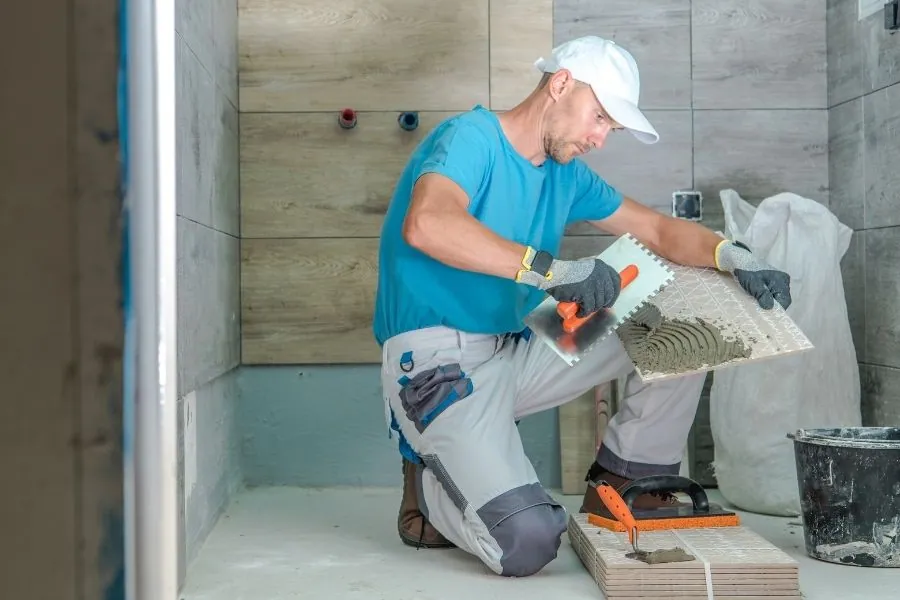
Usually it's because the house moves and the tile can't. Central Oklahoma's expansive red clay swells when it's wet and shrinks in drought, which shifts slab and pier-and-beam foundations a little every year. Tile set straight onto concrete or plywood has no give, so it cracks and the grout separates. Our fix is to install tile over an uncoupling membrane with flexible grout and movement joints at corners and changes of plane. If cracks are wide, keep coming back, or doors are binding throughout the house, have the foundation evaluated before you retile.
How can I prevent mold and water damage in my bathroom?
Ventilation is the most important part. With summer dew points in the 70s, a bathroom needs an exhaust fan sized for the room and vented outdoors, not into the attic. Run it during your shower and for about 20 minutes afterward. Keep grout sealed, re-caulk tub and shower joints when they crack, and fix slow drips right away. In hard-water homes, wipe down glass and fixtures to keep scale from building up. If your fan is missing, weak or dumps into the attic, replacing it is one of the most valuable upgrades you can make.
When should I stop waiting and remodel my bathroom?
Call soon if you notice soft spots near the tub or toilet, ceiling stains below a bathroom, a musty smell that won't go away, loose floor tile or rusty water. Those usually mean water is getting into the framing, and the repair gets more expensive every month you wait. Two-prong outlets with no GFCI protection near the sink are a safety issue that should be fixed promptly. If you or a family member are having trouble stepping over the tub, an accessibility upgrade is worth doing before a fall instead of after one.
Is a tub-to-shower conversion a good idea for resale?
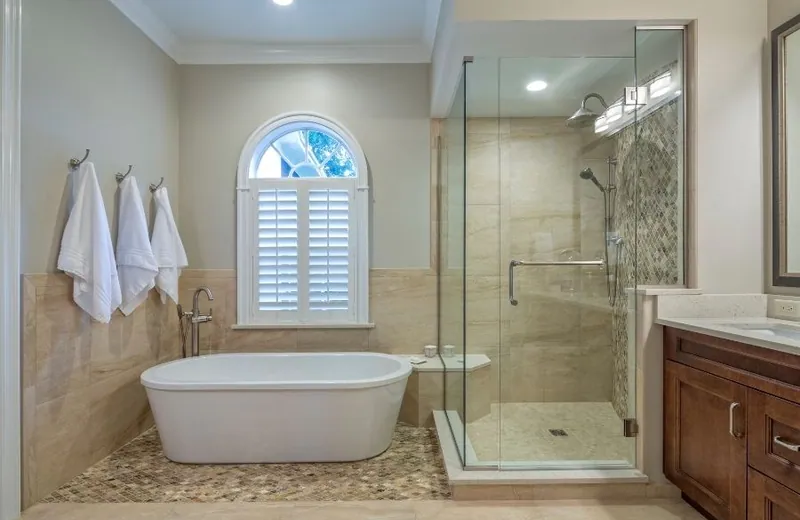
Usually yes, as long as the home keeps at least one tub. In 1990s–2000s Choctaw, Edmond and Moore homes, turning a little-used garden tub into a large walk-in shower is one of the most requested upgrades and appeals to many buyers. In a one-bath Midwest City ranch, keeping a tub somewhere matters more to families with young kids, so we'll talk through the trade-offs. For retirees and veterans aging in place, a low-threshold shower is often worth it for safety alone.
Can you help with accessible bathrooms for veterans using VA grants?
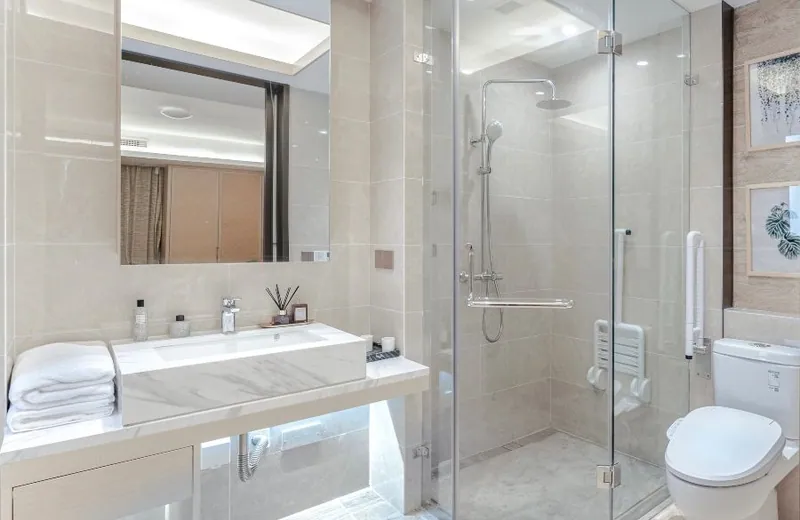
Yes. Many veterans near Tinker AFB look into VA SAH or HISA grants for accessibility changes like curbless showers, grab bars, wider doors and comfort-height toilets. Eligibility and approval are handled by the VA, but we can provide the detailed scope, measurements and itemized pricing your application usually needs, and we'll design the bathroom to match the approved work. We install grab bars into solid blocking, not drywall anchors, and build shower entries with the right slope so water stays in the shower and wheels and walkers can roll in safely.